.png)
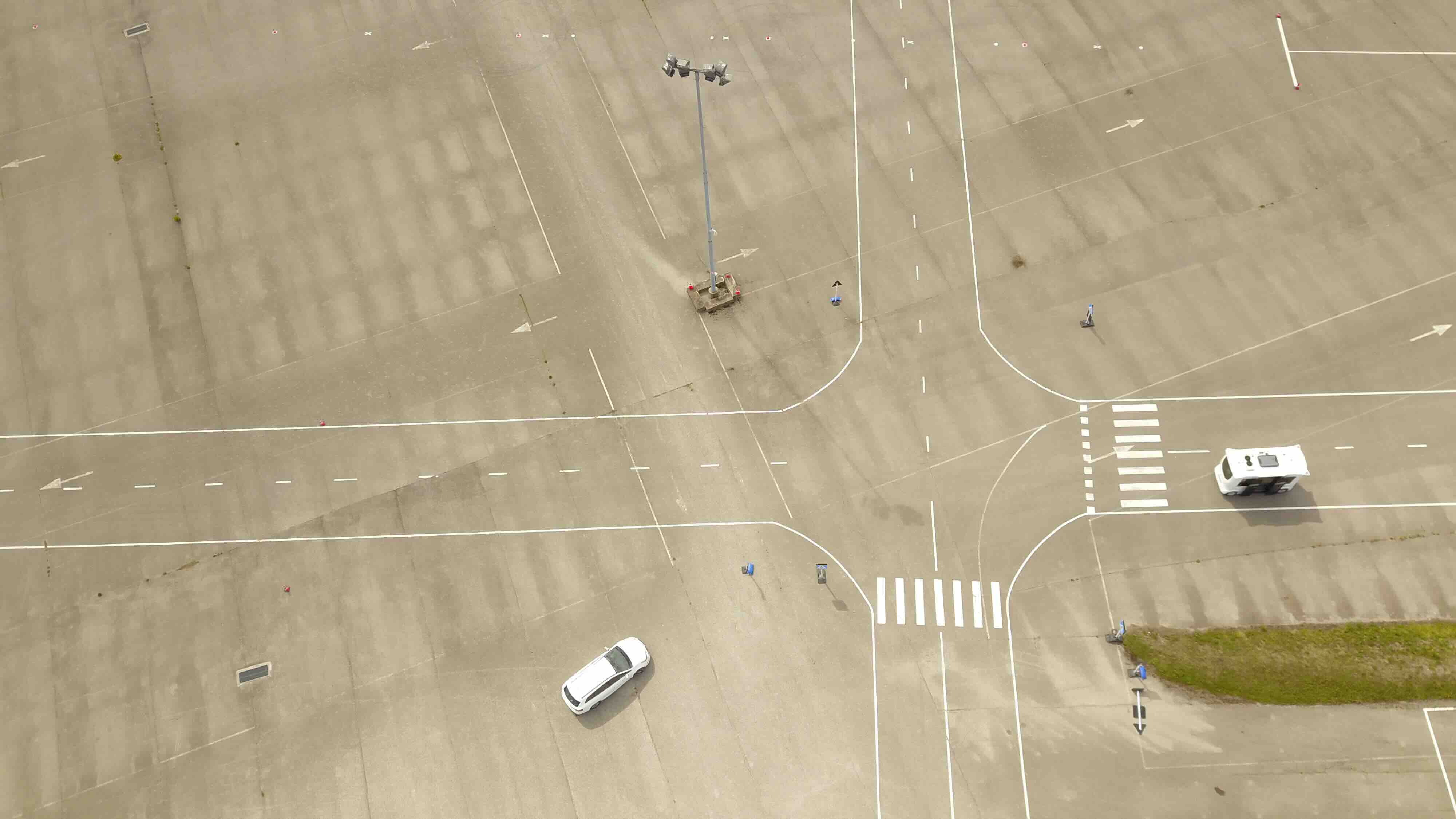
Autonomous vehicles must operate safely and reliably in a wide range of situations. Ongoing testing and validation are essential to ensuring that autonomous systems can consistently respond to real-world traffic scenarios and maintain safe operation under varying conditions.
To recreate realistic traffic situations safely and consistently, Metrosert’s proving grounds utilize robotic carriers and specialized test dummies capable of simulating a wide range of road users. The system can represent pedestrians, cyclists, e-scooter riders, children, animals, and other traffic participants, allowing potentially hazardous scenarios to be conducted without risk to people.
A key advantage of the testing environment is repeatability: the same scenario can be recreated under identical conditions multiple times, enabling engineers to evaluate vehicle behavior, validate safety functions, and compare performance across different test runs with a high level of accuracy.
MiCa was evaluated across a range of realistic traffic situations designed to challenge its perception, decision-making, and vehicle control systems. Each scenario simulated situations that autonomous vehicles may encounter during everyday operation, from vulnerable road users entering the roadway to unexpected obstacles blocking the route.
In obstacle detection tests, MiCa was required to identify objects of different sizes interfering with its path and react accordingly. Depending on the available space and traffic conditions, the shuttle either slowed down, came to a controlled stop, or safely navigated around the obstacle while maintaining a smooth trajectory and safe clearance.
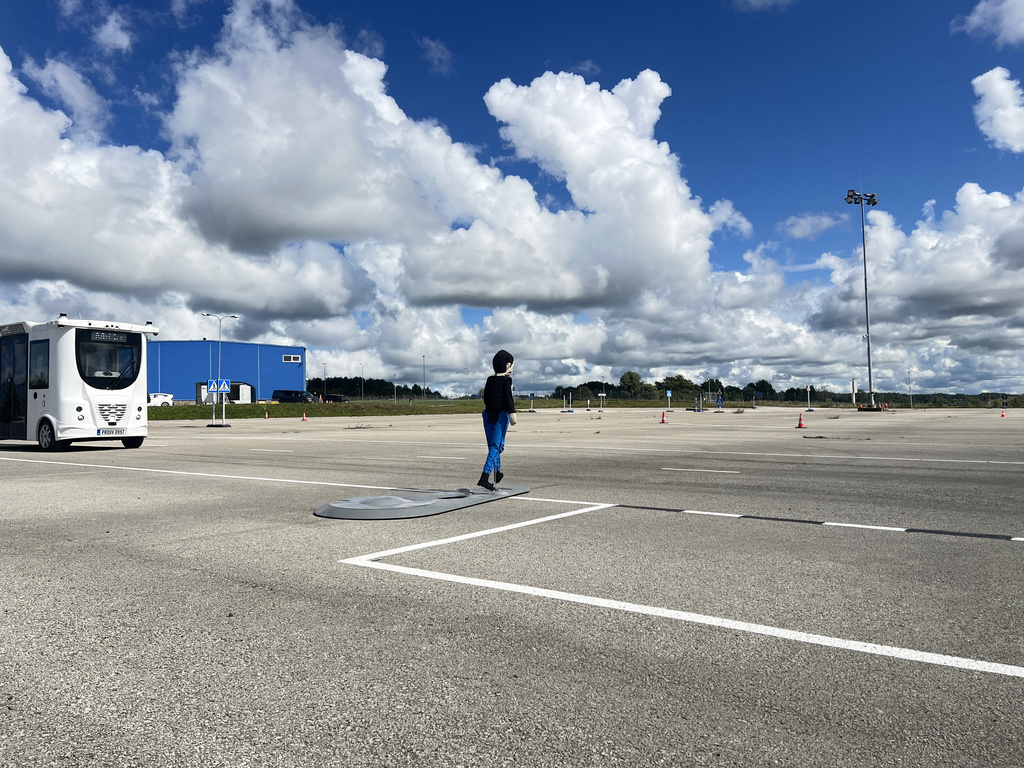
Using robotic carriers and pedestrian dummies, Metrosert’s proving grounds recreated a range of realistic crossing scenarios that could be repeated under identical conditions.
The tests included pedestrians entering the roadway outside designated crossing points, crossing immediately after turns, approaching crosswalks, and walking diagonally across the vehicle’s intended path. In each scenario, MiCa was required to detect the pedestrian, predict whether their trajectory would intersect the vehicle’s route, and yield safely before a conflict could occur.
Particular attention was given to situations where pedestrians appeared unexpectedly, challenging the vehicle’s ability to identify path-relevant road users and react appropriately while maintaining safe and predictable behaviour.
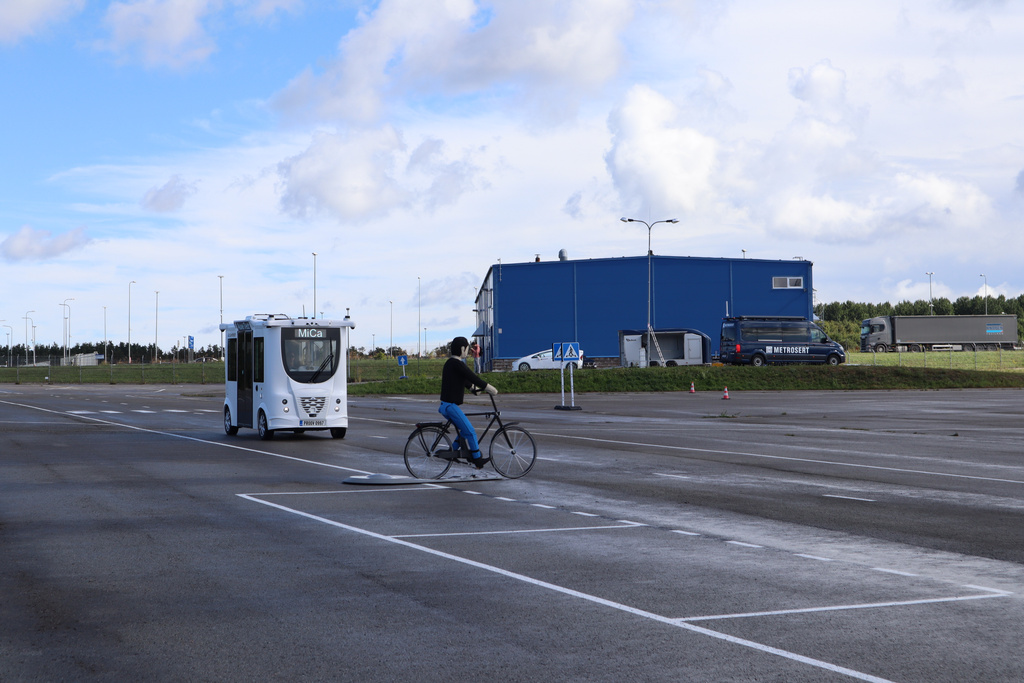
Cyclists and other fast-moving road users present additional challenges due to their higher speeds and shorter reaction times. To evaluate MiCa’s response, cyclist dummies were used to simulate road users moving across the vehicle’s path at unexpected locations.
These scenarios required the vehicle to identify the crossing object, assess its trajectory and speed, and determine whether yielding or stopping was necessary. Compared to pedestrian scenarios, the focus was on verifying safe behaviour when the available decision-making time was shorter and object movements were more dynamic.
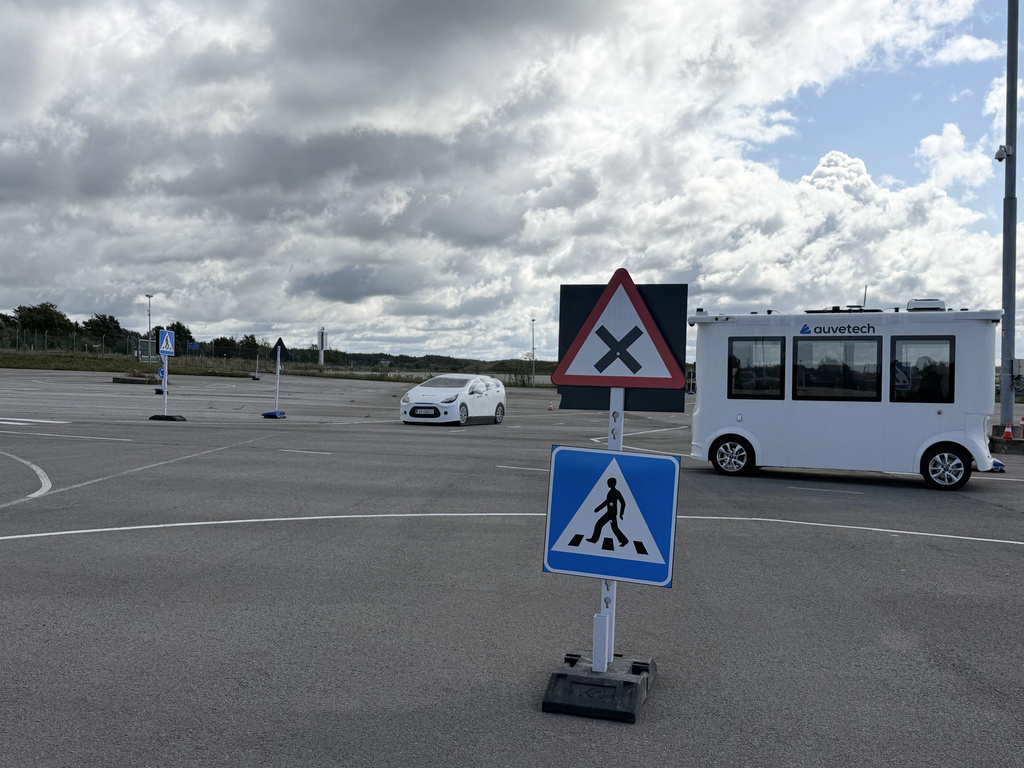
The testing program also assessed how MiCa responds to other vehicles in situations where collision risks may emerge unexpectedly.
In one scenario, a vehicle crossed MiCa’s intended route from an area outside the mapped roadway, simulating situations such as vehicles emerging from parking areas, service zones, or other non-standard locations. The vehicle was expected to recognize that the crossing vehicle’s trajectory intersected its own path and yield until it was safe to continue.
Additional tests examined how MiCa reacts to vehicles approaching from different directions at intersections and other conflict points, validating its ability to identify potential hazards and make appropriate right-of-way decisions.

At Metrosert, MiCa was subjected to a variety of scenarios involving give-way junctions, mandatory stop intersections, left-turn manoeuvres across oncoming traffic, and vehicles approaching from both the left and right.
These scenarios required the vehicle to continuously assess surrounding traffic, identify which road users had priority, and determine when it was safe to proceed. The tests evaluated both the vehicle’s perception capabilities and its ability to make safe and predictable driving decisions in situations where multiple road users interact simultaneously.
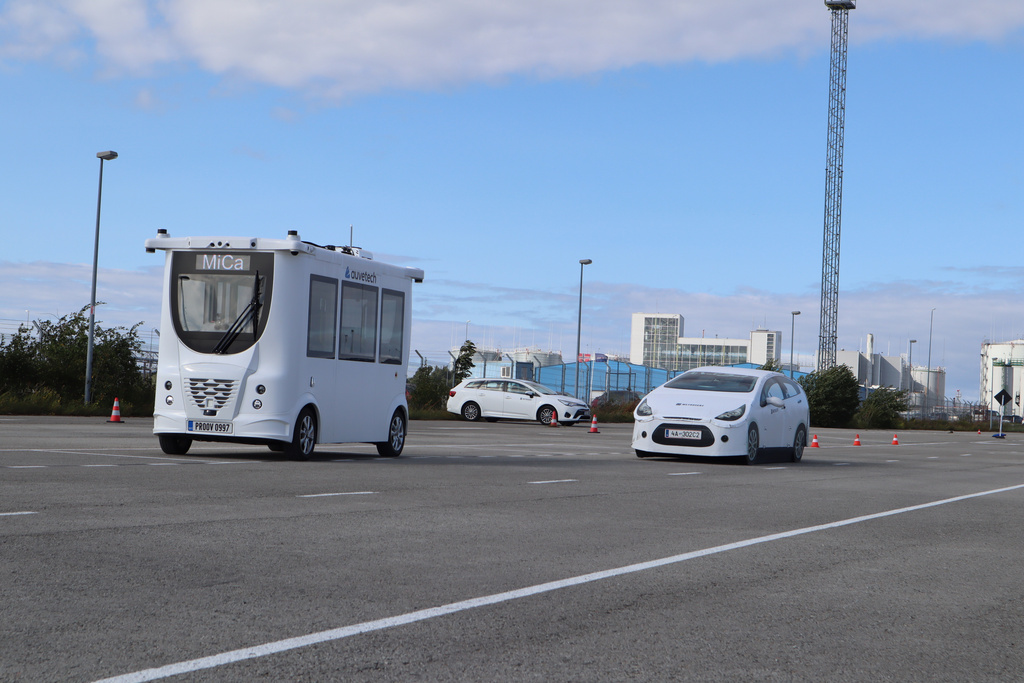
Another scenario focused on MiCa’s ability to safely rejoin traffic after departing from a bus stop bay. The vehicle was required to monitor approaching traffic from behind, assess whether sufficient space was available to merge, and wait when necessary.
The objective was to ensure that the shuttle’s behaviour remained cautious, predictable, and aligned with the expectations of other road users before merging smoothly back into the traffic lane.
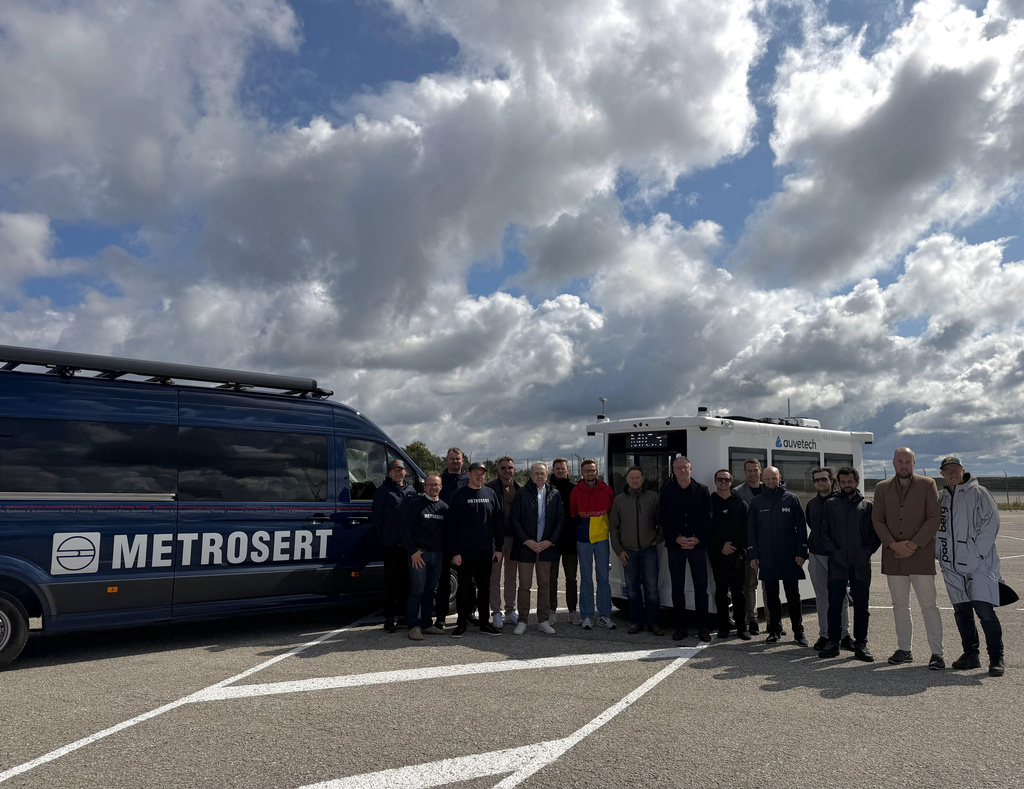
The testing campaign was conducted at AS Metrosert’s testing facilities, providing a controlled environment for validating vehicle performance and safety. During the process, representatives from the Estonian Transport Administration (Transpordiamet) were present, who observed the vehicle’s capabilities and testing procedures firsthand.
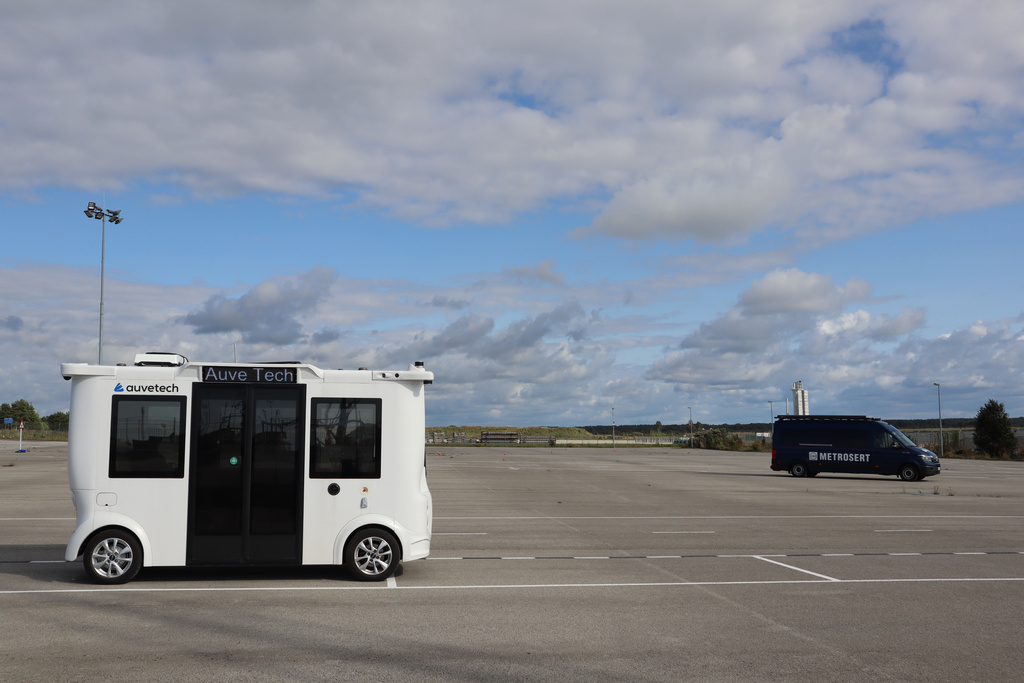
The collaboration provided valuable insights into the safety, reliability, and operational readiness of MiCa, supporting the continued advancement of autonomous transport solutions.
Whether you're interested in deploying autonomous shuttles, exploring partnership opportunities, or learning more about our technology, our team is here to help.
.jpeg)
%20(1).jpg)
.svg)